 Skarp
From Palaces to Poleis: The Making of Ancient Greece
Trace the transformation of the Greek world from Bronze Age palace societies to the citizen communities of the Classical period. Using archaeological remains, administrative tablets, poetry, and political writings, the course develops a practical method for comparing evidence and judging competing explanations of historical change.
The first lecture plays free — no account needed.
What you'll learn
- Students will be able to evaluate a claim about early Greece by matching it to the capabilities and limitations of archaeological, administrative, and literary evidence.
- Students will be able to construct and defend an evidence-based model of how a Minoan palace coordinated production, ceremony, and regional exchange.
- Students will be able to reconstruct the political economy of a Mycenaean kingdom by connecting administrative records with architecture, production, and settlement patterns.
- Students will be able to build a multicausal explanation for the collapse of the palatial system and the survival of smaller communities.
- Students will be able to identify the institutional combination that distinguished an emerging polis from both a Bronze Age palace kingdom and an ordinary settlement.
- Students will be able to compare Athens and Sparta as alternative systems for distributing political power, civic duties, security, and social costs.
Prerequisites
- material evidence
- source limitations
- historical inference
- palace-centered organization
- redistribution
- administrative evidence
Course Content
6 modules · 1h 28m total
Reading a World of Ruins, Tablets, and Epic
Students will be able to evaluate a claim about early Greece by matching it to the capabilities and limitations of archaeological, administrative, and literary evidence.
Knossos and the Minoan Palace Network
Students will be able to construct and defend an evidence-based model of how a Minoan palace coordinated production, ceremony, and regional exchange.
Inside a Mycenaean Kingdom
Students will be able to reconstruct the political economy of a Mycenaean kingdom by connecting administrative records with architecture, production, and settlement patterns.
After the Palaces Fell
Students will be able to build a multicausal explanation for the collapse of the palatial system and the survival of smaller communities.
How Communities Became Poleis
Students will be able to identify the institutional combination that distinguished an emerging polis from both a Bronze Age palace kingdom and an ordinary settlement.
Athens and Sparta: Two Designs for the Classical Polis
Students will be able to compare Athens and Sparta as alternative systems for distributing political power, civic duties, security, and social costs.
Read the Textbook
Read every chapter for free, right here in your browser.
The central skill in early Greek history is not memorizing which source is oldest. It is matching a claim to the kind of evidence that could actually support it. Begin by rewriting any statement as a testable claim: "A palace controlled regional food distribution" is different from "people in the region believed the king was divine." The first may be investigated through storage rooms, administrative tablets, and settlement patterns. The second requires evidence about ritual, symbols, and interpretation. A source is useful only when its surviving information fits the question. This prevents a common mistake: using a vivid source to answer a question it was never designed to answer.
Material evidence includes buildings, roads, fortifications, graves, pottery, tools, seals, plant remains, and the spatial relationships among them. It does not speak in sentences, so interpretation begins with patterns. A fortified entrance suggests controlled movement or concern about security; it does not by itself prove that the site was ruled by a single king. A concentration of storage jars may indicate collection and redistribution, but it might also reflect a temporary emergency or a specialized workshop. At Mycenae, the visible Late Bronze Age remains include monumental fortifications, the Lion Gate, elite burial enclosures, and a site positioned to control land and sea routes. These features strongly support claims about investment, status display, and strategic organization. They do not
Study Flashcards
Key concepts from this course as flashcard pairs.
Reading a World of Ruins, Tablets, and Epic
Material evidence
Physical traces such as buildings, graves, tools, pottery, roads, storage spaces, and settlement patterns.
Linear B records
Administrative documents that can illuminate palace categories, goods, personnel, places, and obligations.
Oral tradition
Cultural memory transmitted and reshaped through performance, formula, storytelling, and later written versions.
Source limitation
A feature that restricts what a source can establish, such as selectivity, later composition, elite viewpoint, or missing context.
Historical inference
A reasoned conclusion drawn from evidence, stronger when multiple independent sources converge.
Inside a Mycenaean Kingdom
Wanax
The highest-ranking ruler named in Linear B political vocabulary; the title indicates central authority but does not provide a complete description of royal power.
Lawagetas
A major elite office, often associated with military leadership; its exact function remains debated.
Linear B
A script used to write an early form of Greek, especially in palace administration from approximately 1400–1200 BCE.
Palatial economy
A system in which a palace monitored, coordinated, stored, and redirected selected resources without necessarily controlling every economic activity.
Fortified citadel
A defended elite center that concentrated authority, storage, ritual, administration, and controlled access within a wider territorial landscape.
Athens and Sparta: Two Designs for the Classical Polis
Athenian democracy
A political system in which the male citizen body participated directly through the assembly, council, juries, and public offices, while many residents remained excluded.
Spartan mixed constitution
A political arrangement combining two kings, the Gerousia, five ephors, and a citizen assembly, blending hereditary, elite, magistrate, and popular authority.
Citizenship and exclusion
The process by which a polis defines political membership and distinguishes citizens from women, foreigners, enslaved people, and dependent populations.
Political participation
The ways citizens influence public decisions, including voting, speaking, judging, holding office, military service, and institutional membership.
Institutional tradeoff
A gain produced by an institution that also creates a cost, such as Athens gaining participation while risking faction, or Sparta gaining cohesion while narrowing autonomy.
More in History
See all →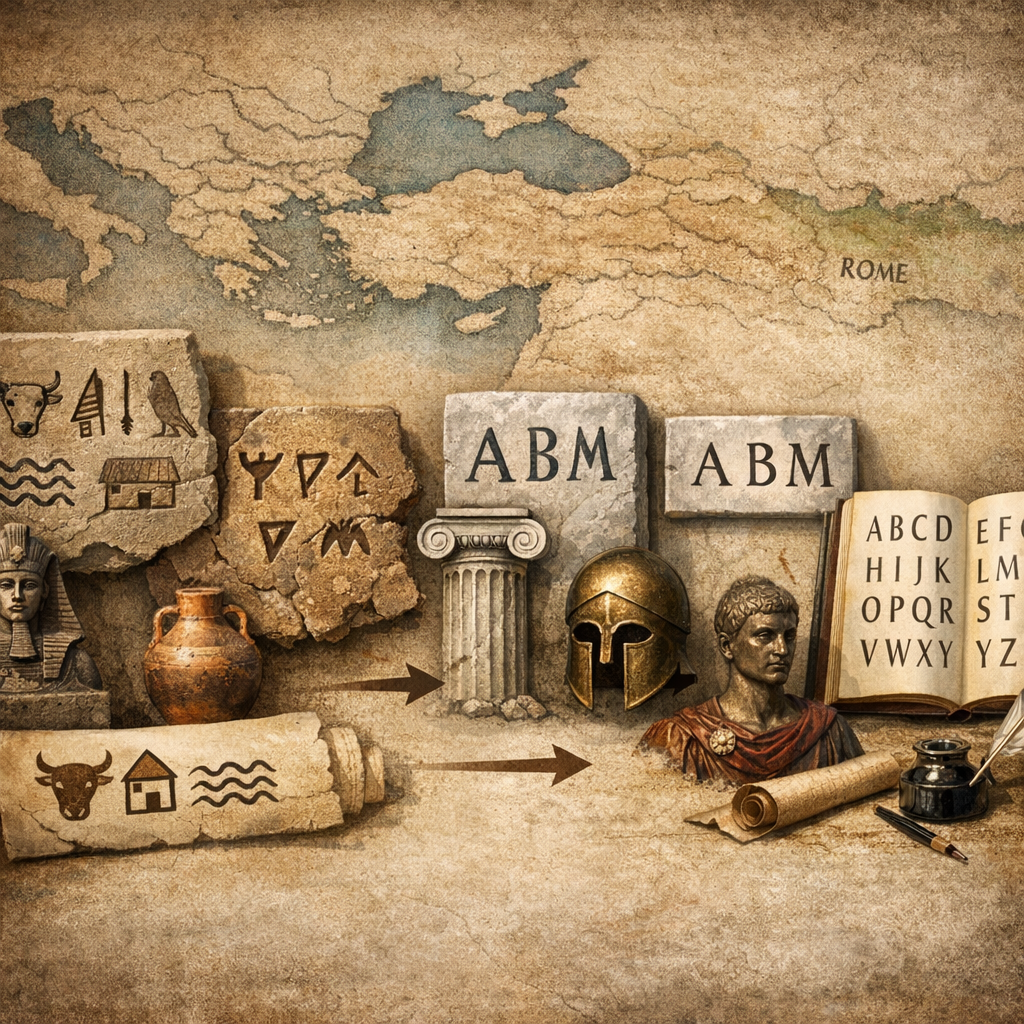
The Origin Story of the English Alphabet
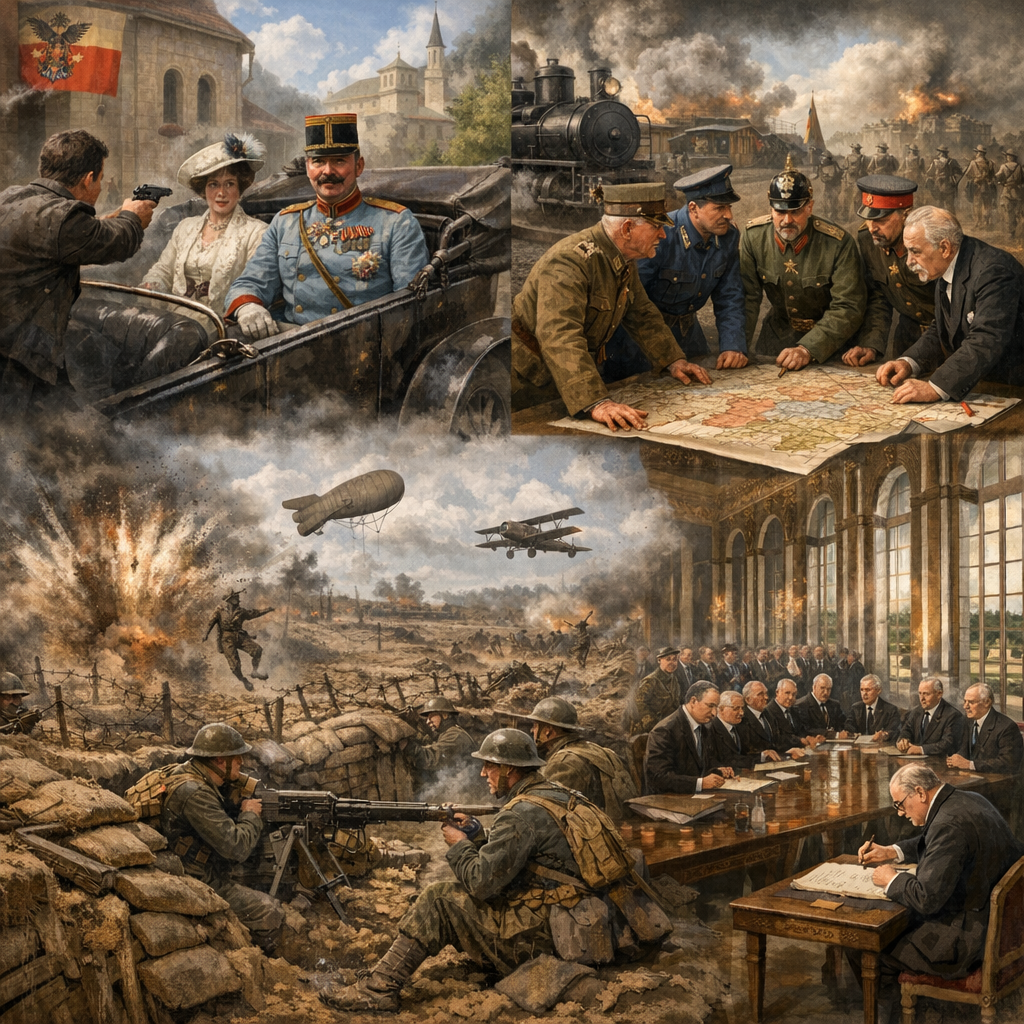
Första världskriget för åk 8: Från skottet i Sarajevo till Versaillesfreden
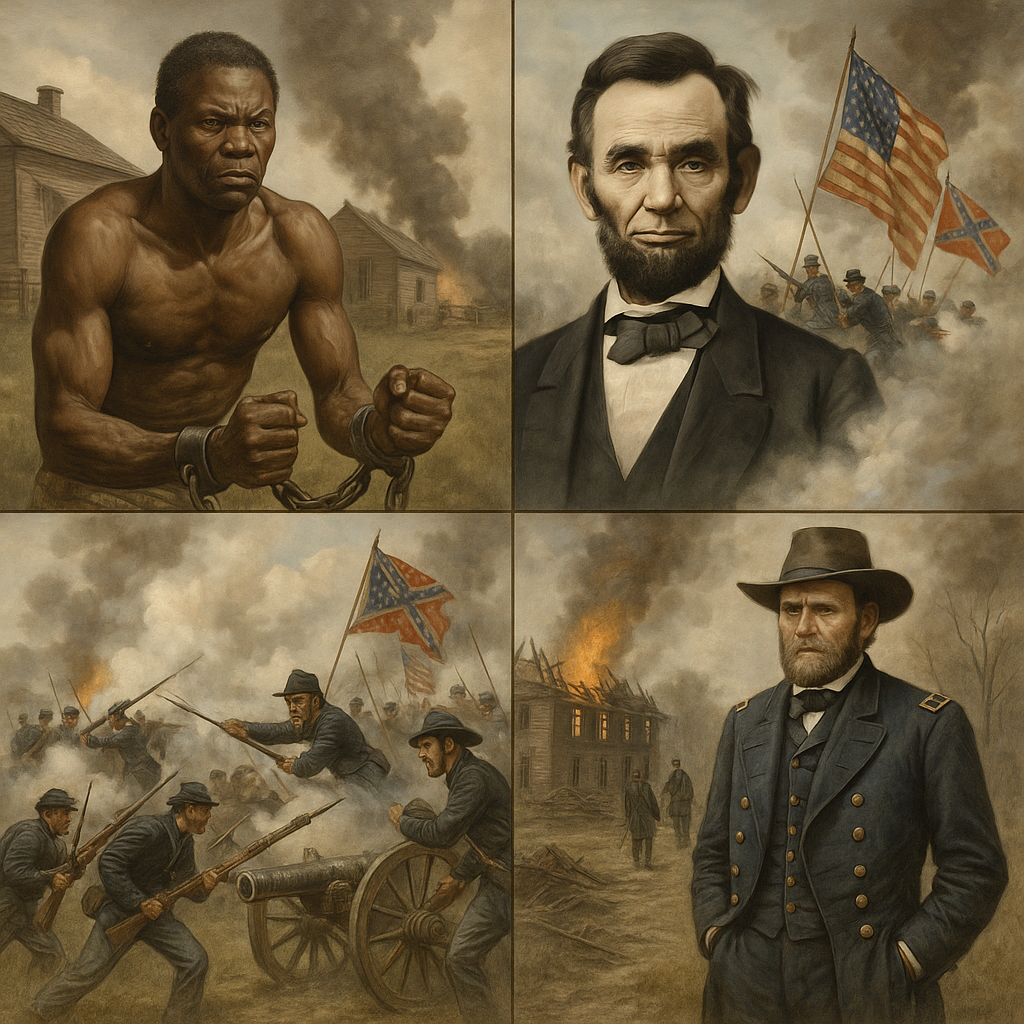
Yhdysvaltain sisällissota: syyt, kulku ja seuraukset