 Skarp
Sweden Through the Ages: Vikings, Empire, and Democracy
A concise journey through the major transformations that shaped Sweden, from Viking-era communities and medieval state formation to imperial power, democracy, and the welfare state. Each episode connects political change with the everyday experiences of traders, farmers, soldiers, workers, and voters.
The first lecture plays free — no account needed.
What you'll learn
- Students will be able to describe how Viking-era networks, local institutions, Christianity, and royal authority contributed to the emergence of the Swedish kingdom.
- Students will be able to explain how centralized rule, religious reform, taxation, and military organization enabled Sweden’s rise as a Baltic power and contributed to its later decline.
- Students will be able to connect Sweden’s industrialization and popular movements with democratization, welfare-state development, and the country’s changing relationship with Europe and international security.
Prerequisites
- Swedish state formation
- Christianization
- Local assemblies and provincial laws
- Centralized monarchy
- Swedish Empire
- Constitutional limits on royal power
Course Content
3 modules · 17 min total
Before Sweden: Vikings, Local Assemblies, and a New Kingdom
Students will be able to describe how Viking-era networks, local institutions, Christianity, and royal authority contributed to the emergence of the Swedish kingdom.
From Gustav Vasa to a Baltic Empire
Students will be able to explain how centralized rule, religious reform, taxation, and military organization enabled Sweden’s rise as a Baltic power and contributed to its later decline.
From Subjects to Citizens: Democracy, Welfare, and a New Global Role
Students will be able to connect Sweden’s industrialization and popular movements with democratization, welfare-state development, and the country’s changing relationship with Europe and international security.
Read the Textbook
Read every chapter for free, right here in your browser.
Before a kingdom During the Viking Age, roughly AD 750-1100, there was no country called Sweden in the modern sense. Eastern Scandinavia contained several smaller lands: agricultural regions made up of farms, villages, fields, pastures, and local elites. A person was more likely to identify with a family, village, or region than with a nation. The word Viking did not name a single people or ethnicity. It referred primarily to people engaged in maritime raiding or military expeditions, or to that activity; such voyages could also involve trade.
This matters because Sweden was not suddenly created by one ruler. It emerged gradually as networks, institutions, Christianity, and royal power connected regions that had long governed much of their own affairs.
Travel created connections Rivers, coasts, and the Baltic Sea worked like transport corridors. Merchants, craftspeople, warriors, enslaved people, religious ideas, and luxury goods moved through them. These contacts did not automatically create a state, but they gave powerful families access to wealth, allies, information, and foreign models of rule.
Study Flashcards
Key concepts from this course as flashcard pairs.
Before Sweden: Vikings, Local Assemblies, and a New Kingdom
Viking
A person engaged primarily in maritime raiding or military expeditions, or the associated activity; such voyages could also involve trade. It was not the name of one unified people.
Thing
A local or regional assembly and court where free men—especially influential householders and landowners—administered justice and made decisions.
Christianization
The long, uneven process through which Christian beliefs and church institutions spread across regions.
State formation
The gradual creation of more durable rule across territories through law, taxation, institutions, and recognized authority.
From Subjects to Citizens: Democracy, Welfare, and a New Global Role
Popular movement
A voluntary, organized effort that turns shared interests into public action and can train people in democratic participation.
Parliamentary government
A system in which the government must have the support, or at least the acceptance, of the elected parliament.
Welfare state
Public institutions and social insurance that address social risks such as illness, old age, unemployment, and family needs.
International alignment
How a country positions itself through economic, political, and security cooperation with other states and institutions.
More in History
See all →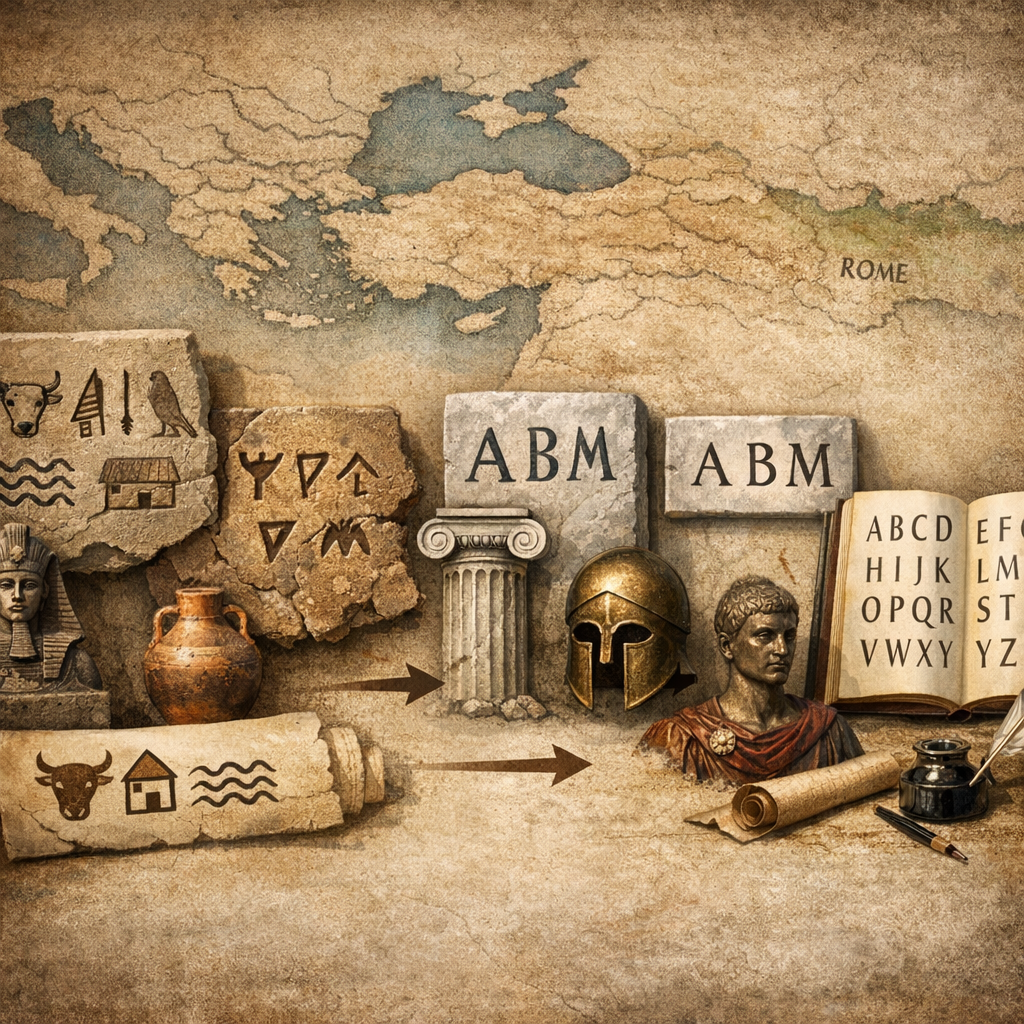
The Origin Story of the English Alphabet
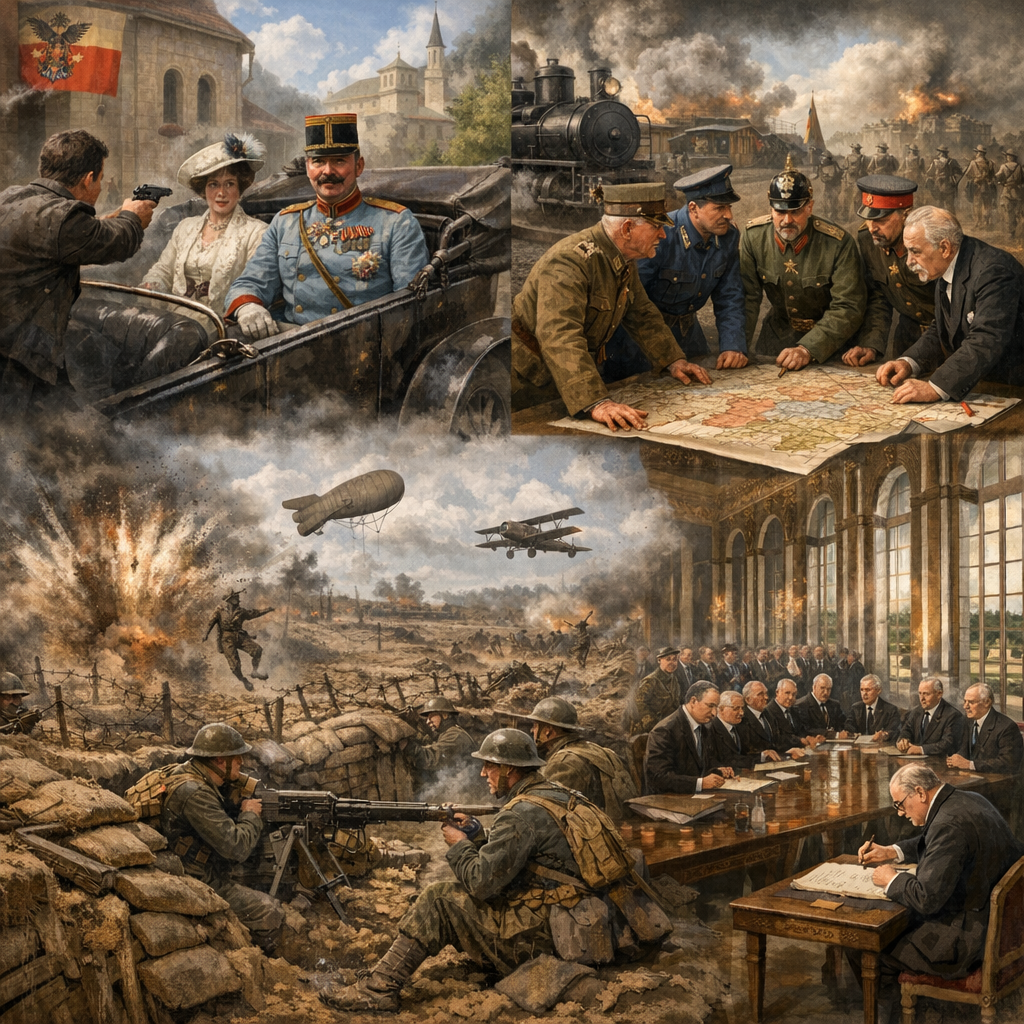
Första världskriget för åk 8: Från skottet i Sarajevo till Versaillesfreden
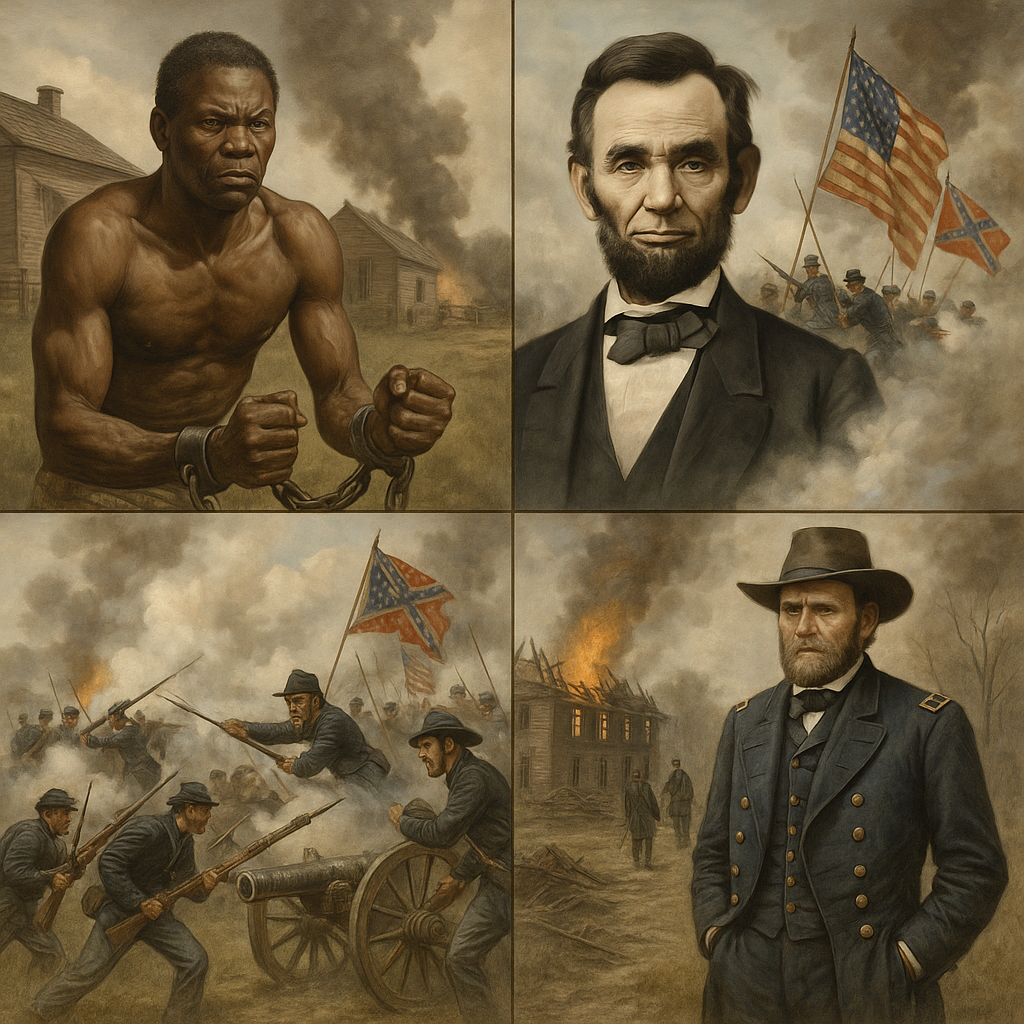
Yhdysvaltain sisällissota: syyt, kulku ja seuraukset